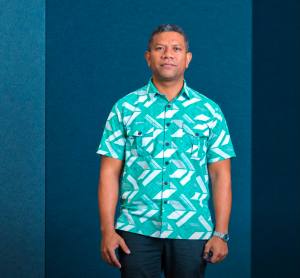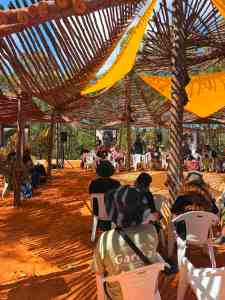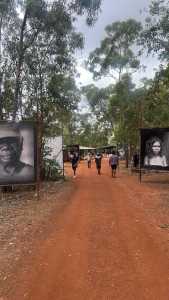
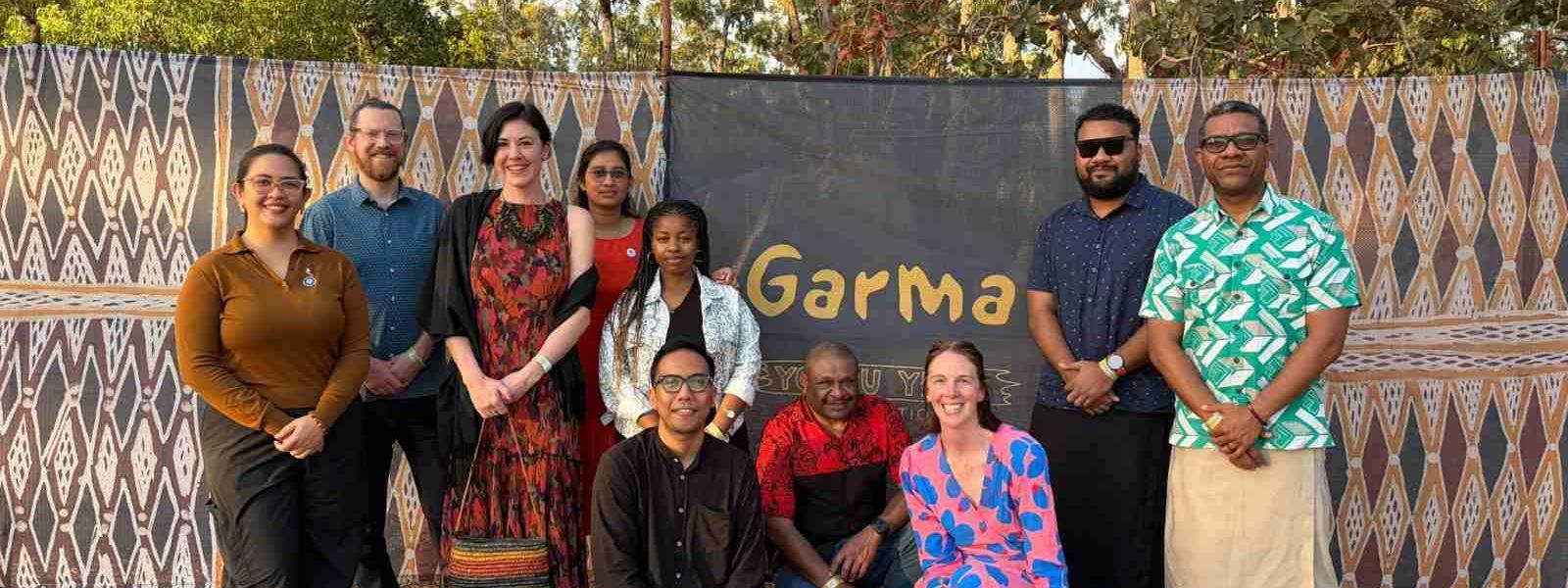
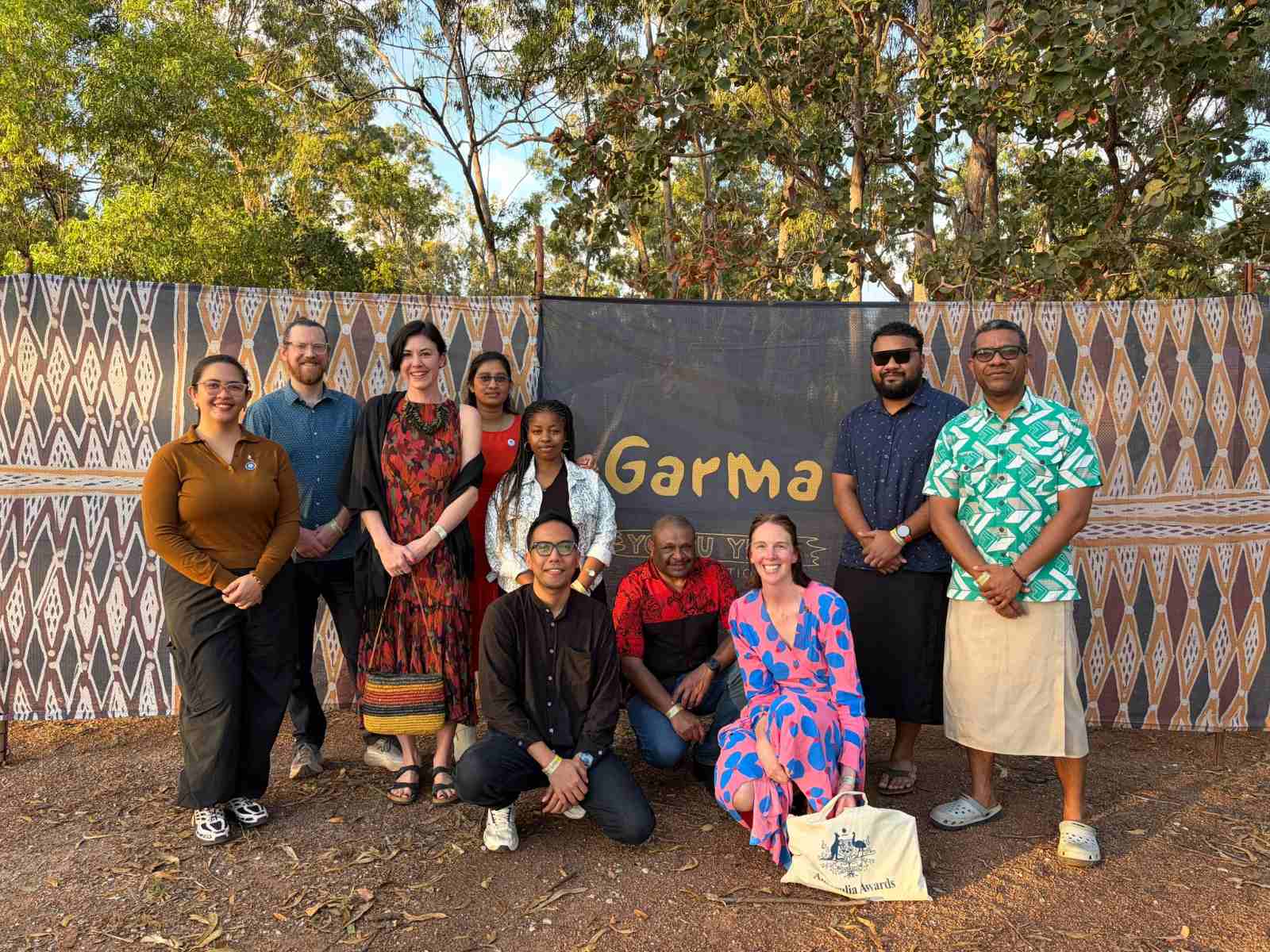
Standing on Yolŋu Country in northeast Arnhem Land, Australia Awards alumnus Apaitia Rokotuni found himself reflecting on a question central to both his work and identity: how can Indigenous knowledge shape the future of development?
As an Indigenous Fijian and development practitioner, Apaitia was one of seven Australia Awards scholars selected to attend the 26th Garma Festival, held from 31 July to 3 August 2026 at Gulkula in the Northern Territory.
Against a backdrop of ceremony, discussion and cultural exchange, Apaitia witnessed firsthand how cultural knowledge continues to guide community decision-making.
“My experience at the Garma Festival was enriching and thought-provoking. It gave me an opportunity to reflect deeply on Indigenous knowledge, culture, self-determination and development,” Apaitia said.
“As an Indigenous development practitioner working in the Pacific, I was particularly inspired by the way the Yolŋu community continues to value and protect its traditional knowledge and cultural practices.”
Knowledge carried across generations
One of the strongest impressions Apaitia took from Garma was the relationship between generations.
He observed the respect young Yolŋu people showed towards elders and the important role elders continue to play in sharing knowledge and ancient wisdom.
Through oral traditions, dance, storytelling, art and handicrafts, he saw knowledge being carried from one generation to another, strengthening identity and ensuring culture remains alive.
For Apaitia, this resonated strongly with his own Indigenous heritage.
He began thinking about the wealth of traditional knowledge that exists within Fiji’s communities including environmental stewardship, agriculture, natural healing, astronomy, storytelling, dance, art and handicrafts and the importance of creating opportunities for this knowledge to continue reaching younger generations.
“Reviving this knowledge should not be viewed simply as preserving the past,” Apaitia said. “It is also about strengthening our identity, building confidence in who we are as Indigenous peoples and ensuring that our own knowledge contributes to shaping our future.”
Communities lead development
Throughout the Festival, Apaitia encountered examples of Indigenous communities taking ownership of their development and working with governments and other partners in ways that respected community priorities and leadership.
A particularly memorable example came during an education forum featuring representatives from Dhupuma Barker, an Indigenous primary school in northeast Arnhem Land, where he observed a collective approach to supporting children’s education and creating pathways for their future.
“The Festival reinforced for me that Indigenous knowledge, culture and self-determination are not barriers to development, they are important foundations for it,” he said.
“When communities are empowered to lead their own development, draw on their own knowledge and work with others on their own terms, there is tremendous strength within those communities.”
He believes traditional knowledge can contribute more strongly to development and policymaking across areas including education, health, social development, environmental management, foreign affairs and trade.
Finding connections across the Pacific
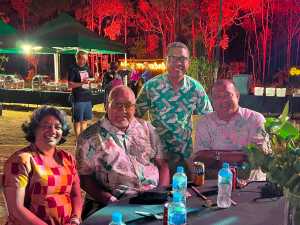
Garma also created an opportunity for Apaitia to connect with Indigenous leaders and delegates from across the region.
He met Fiji delegates including representatives of the Great Council of Chiefs and the Government of Fiji and participated in discussions where Pacific representatives shared their cultures, traditions and development experiences.
Despite differences between countries and communities, Apaitia saw familiar themes emerge.
Questions around self-governance, land, cultural preservation and economic development resonated across borders.
The conversations strengthened his belief that there is significant potential for greater Indigenous-to-Indigenous collaboration between Australia, Fiji and the wider Pacific.
“I would like to see stronger collaboration between Australian First Nations organisations and Indigenous organisations in Fiji and the wider Pacific,” Apaitia said. “There is significant potential for cross-cultural learning, technical exchange and high-level dialogue that can strengthen Indigenous-led development.”
For Apaitia, these relationships could create opportunities not only to exchange cultural knowledge but also to share practical experiences that inform community development and national policy.
Bringing the lessons home
Australia Awards is designed to extend learning beyond formal qualifications, connecting scholars with Australian institutions, communities, perspectives and networks that can contribute to their leadership and development impact.
Apaitia’s Garma experience brought these dimensions together.
He arrived at Gulkula as an Indigenous Fijian development practitioner. He returned from the experience with new connections and a renewed conviction that Indigenous knowledge deserves a meaningful place in conversations about development.
His reflections also point to a broader opportunity for Australia and Fiji. By creating spaces where First Nations Australians and Pacific Indigenous peoples can learn directly from one another, relationships can move beyond knowledge sharing towards stronger partnerships, locally led solutions and development approaches grounded in culture and community priorities.
For Fiji, Apaitia sees an opportunity to look both forward and back: embracing contemporary knowledge and innovation while recognising the knowledge that communities have carried for generations.
His experience at Garma left him with a message he hopes to carry into his work across Fiji and the Pacific: “Indigenous knowledge is not simply a record of where communities have come from. When it is valued, shared and given space to inform decisions, it can be part of determining where communities go next”.